
Waking up with jaw soreness, headaches, or sensitive teeth can be more than just a bad night’s sleep. For many people, these symptoms point to a condition called bruxism, commonly known as teeth grinding. While occasional grinding may not cause serious problems, regular nighttime grinding can lead to painful complications and lasting damage to your teeth.
At Emergency Dentist Vancouver, we often see patients dealing with the consequences of grinding — from tooth pain to cracked or chipped teeth. Understanding what causes this condition and how to address it is the first step toward protecting your smile.
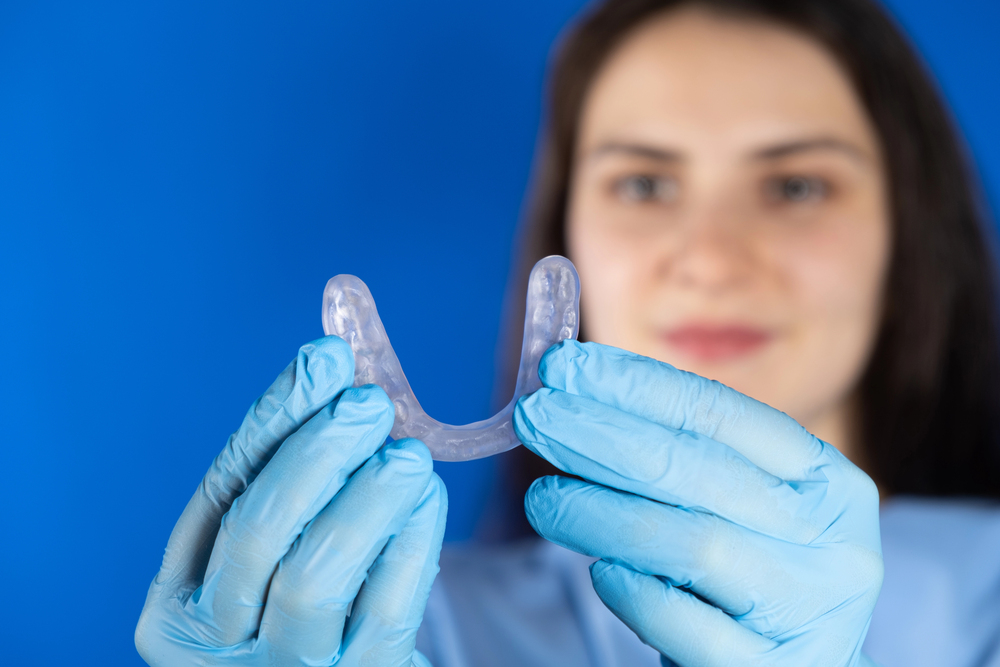
What is Teeth Grinding?
Teeth grinding, or bruxism, is the involuntary clenching or grinding of your teeth. It can occur during the day, but it is most common at night during sleep. Since you are not consciously aware of it, nighttime grinding often goes unnoticed until symptoms develop or a partner hears the grinding sounds.
Over time, grinding places excessive pressure on the teeth and jaw, leading to wear, sensitivity, and even damage such as fractures.
Common Causes of Nighttime Teeth Grinding
Bruxism is a complex condition with multiple potential triggers. Some of the most common causes include:
Stress and Anxiety
Stress is one of the leading causes of teeth grinding. When the body is under tension, it often manifests physically, and jaw clenching during sleep is a common response. People experiencing high levels of stress or anxiety are more likely to grind their teeth without realizing it.
Sleep Disorders
Conditions such as sleep apnea, snoring, or frequent nighttime arousals can increase the risk of grinding. The disruption in normal sleep patterns affects muscle activity and can trigger jaw movements that cause grinding.
Bite and Alignment Issues
Misaligned teeth or an uneven bite can contribute to bruxism. When teeth do not fit together properly, the jaw may overcompensate during sleep, leading to clenching and grinding.
Lifestyle Factors
Certain habits and substances can make grinding worse, including:
- Excessive caffeine or alcohol consumption.
- Smoking or recreational drug use.
- Medications such as antidepressants which sometimes list bruxism as a side effect.
Personality Type
People with highly competitive, hyperactive, or perfectionist traits are more prone to teeth grinding. The combination of stress, personality, and sleep disturbances can make bruxism a recurring issue.
Signs You May Be Grinding Your Teeth at Night
Because grinding usually happens unconsciously, many patients are unaware until symptoms appear. Some common warning signs include:
- Waking up with jaw soreness or stiffness.
- Frequent morning headaches.
- Increased tooth sensitivity.
- Clicking or popping in the jaw joints.
- Flattened or worn tooth surfaces.
- Disturbed sleep reported by a partner.
If left untreated, grinding can lead to serious dental issues, including damage to the enamel and even a cracked tooth.
Complications of Teeth Grinding
Chronic teeth grinding is more than just a nuisance. Over time, it can cause:
- Tooth damage: Fractures, chips, or complete tooth loss in severe cases.
- Tooth pain: Persistent discomfort caused by worn enamel or nerve exposure. Learn more about tooth pain causes and treatment.
- Jaw disorders: Strain on the temporomandibular joints (TMJ), leading to TMJ disorder.
- Gum recession: Added stress on the gums can cause inflammation or recession.
- Restoration damage: Fillings, crowns, and veneers can wear down or break under constant grinding pressure.
These complications often send patients seeking emergency dental care when the pain or damage becomes severe.
Treatment Options for Teeth Grinding
The treatment for nighttime grinding depends on the underlying cause. Some common solutions include:
- Mouthguards: Custom-fitted nightguards protect teeth from grinding forces and prevent further damage.
- Stress management: Relaxation techniques such as meditation, yoga, or counseling can help reduce tension.
- Lifestyle changes: Cutting back on caffeine and alcohol, and establishing a consistent sleep routine, can minimize grinding.
- Dental correction: In cases of misaligned teeth, orthodontic treatment or bite adjustment may be recommended.
Medical treatment: For severe cases linked to sleep apnea or medications, additional medical interventions may be necessary.
Preventing Long-Term Damage
The best way to protect your teeth from the effects of grinding is early intervention. Wearing a nightguard, managing stress, and addressing lifestyle habits can help significantly reduce the severity of bruxism.
If damage has already occurred, treatments such as dental bonding, crowns, or root canals may be necessary to restore your teeth. In cases where grinding has led to a cracked tooth, prompt care is essential to prevent infection or further damage.
Protecting Your Smile with a Night Guard
Bruxism doesn’t just affect your sleep—it can have lasting consequences on your oral health if left untreated. A well-fitted night mouth guard is a simple, effective way to:
- Preserve your natural teeth.
- Avoid costly dental repairs for broken or chipped teeth.
- Reduce daily discomfort in your jaw and head.
At Emergency Dentist Vancouver, we’ve seen firsthand how grinding can lead to serious dental emergencies. Whether it’s a cracked tooth or severe tooth pain, taking preventive steps like using a night guard can make all the difference in maintaining a healthy, pain-free smile.
Emergency Dental Care for Grinding-Related Issues
If you are experiencing severe tooth pain, sensitivity, or notice damage to your teeth, don’t wait for your next regular dental appointment. Emergency dentists can provide immediate relief and treatment, especially if grinding has caused a break, crack, or infection.
At Emergency Dentist Vancouver, our team offers urgent care for bruxism-related problems, from pain relief to repairing damaged teeth.