
Your baby’s first tooth is an exciting milestone, but it is also the right time to start a healthy brushing routine. Even though baby teeth eventually fall out, they help children chew, speak clearly, and maintain space for their permanent teeth.
Starting early can also make brushing feel like a normal part of your child’s day instead of a new habit you have to introduce later.
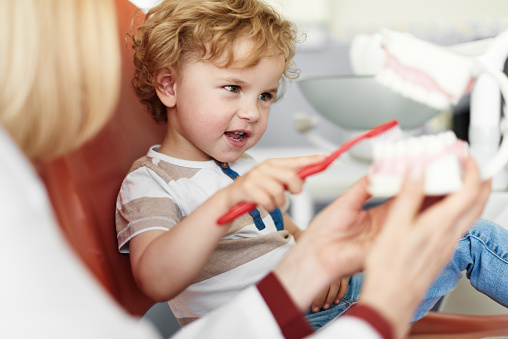
When Should You Start Brushing?
You can begin cleaning your baby’s mouth before the first tooth appears. Gently wipe their gums with a clean, damp washcloth after feedings.
Once the first tooth comes through, begin brushing twice a day with a soft infant toothbrush and a small smear of fluoride toothpaste about the size of a grain of rice.
Brush once in the morning and again before bed. Bedtime brushing is especially important because it removes food, milk, and plaque that could otherwise remain on the teeth overnight.
How to Brush Your Baby’s Teeth
Brushing a baby’s teeth can feel awkward at first, especially when your baby wiggles or tries to grab the toothbrush. A consistent routine can make the process easier.
Choose a Small, Soft Toothbrush
Use a toothbrush designed for infants with:
- Soft bristles
- A small brush head
- A handle that is comfortable for an adult to hold
Replace the toothbrush every three to four months or sooner if the bristles become frayed.
Find a Comfortable Position
Position your baby so you can clearly see inside their mouth. You can cradle your baby with their head supported, lay them on a changing table, or sit on the floor with their head resting in your lap.
For an older toddler, it may be easier to stand behind them while they gently lean their head against your chest.
Brush Every Surface
Use gentle, circular motions to brush:
- The front of every tooth
- The back of every tooth
- The chewing surfaces
- Along the gumline
You do not need to scrub hard. Gentle brushing is enough to remove plaque without irritating your baby’s gums.
Babies and young toddlers usually cannot spit out toothpaste. That is why it is important to use only a rice-sized smear. You do not need to rinse their mouth after brushing.
What If Your Baby Hates Brushing?
Many babies resist toothbrushing at first. They may turn their head, cry, close their mouth, or try to push the toothbrush away.
This does not necessarily mean brushing is painful. Your baby may simply dislike being held still or may not understand what is happening.
Try these strategies:
- Let your baby hold a second toothbrush.
- Brush together in front of a mirror.
- Sing a short song while brushing.
- Let your child choose between two toothbrushes.
- Offer praise when they cooperate.
- Keep the routine brief and consistent.
Your child may not cooperate perfectly every time, but brushing should still happen twice a day. Consistency helps children understand that brushing is a normal part of their morning and bedtime routines.
Why Are Baby Teeth Important?
Baby teeth are temporary, but they still require proper care.
Baby Teeth Can Develop Cavities
A baby tooth can develop decay soon after it appears. Regular brushing with fluoride toothpaste helps strengthen the enamel and reduce the risk of cavities.
Frequent exposure to milk, formula, juice, sweetened drinks, and snacks can increase the risk when the teeth are not cleaned regularly.
Cavities Can Become Painful
An untreated cavity may eventually cause pain or infection. Dental discomfort can make it difficult for a young child to eat, sleep, or participate comfortably in daily activities.
Preventing cavities is generally easier than treating advanced decay in a very young child.
Baby Teeth Guide Permanent Teeth
Baby teeth hold space for the permanent teeth developing underneath them. When a baby tooth is lost too early because of decay or injury, nearby teeth may shift into the empty space.
This can affect how the permanent teeth grow into the mouth.
Healthy Teeth Support Eating and Speech
Children need healthy teeth to bite and chew an increasing variety of foods. Baby teeth also support proper tongue placement as children learn to form words and sounds.
When Should Your Baby Visit the Dentist?
Your baby should have their first dental visit when the first tooth appears or no later than their first birthday.
An early dental visit allows the dentist to:
- Check how the teeth are developing
- Look for early signs of decay
- Review your brushing technique
- Answer questions about teething and fluoride
- Help your child become familiar with the dental office
Vancouver Emergency Dentist provides compassionate care for adults and children, including preventive checkups, cleanings, and treatment when dental problems arise.
When Should You Call a Dentist?
Schedule an appointment if you notice:
- White, brown, or black spots on a tooth
- Swollen or bleeding gums
- Ongoing mouth or tooth pain
- Difficulty eating
- A chipped or broken baby tooth
- A tooth that becomes dark after an injury
If your child falls, damages a tooth, or develops significant dental pain, review our guidance about dental emergencies for kids.
A cracked or chipped baby tooth should not be ignored simply because it will eventually fall out. Prompt emergency dental treatment can help prevent additional pain, infection, or damage to the developing permanent tooth.
Start Healthy Habits Early
Brushing your baby’s teeth does not need to be perfect. What matters most is beginning early and remaining consistent.
Clean the gums before teeth appear. Once the first tooth comes in, brush twice daily with a soft toothbrush and a rice-sized smear of fluoride toothpaste. Continue doing the actual brushing as your child grows, even while allowing them to practice.
Vancouver Emergency Dentist provides dental care for children and adults at our West Vancouver and East Vancouver-Camas offices. Learn more about our dental practice or request an appointment for your child.
Starting with one tiny tooth today can help build a healthier smile for years to come.