
A sip of hot coffee or a bite of ice cream shouldn't leave you holding the side of your face in pain. While occasional tooth sensitivity is common, sudden or severe sensitivity can sometimes be a warning that something is wrong with a tooth.
The key is paying attention to how the tooth feels, what triggers the discomfort, and how long the pain lasts.
If a tooth has suddenly become sensitive to hot or cold—or sensitivity has changed into lingering pain—it may be time to have it checked by a dentist.
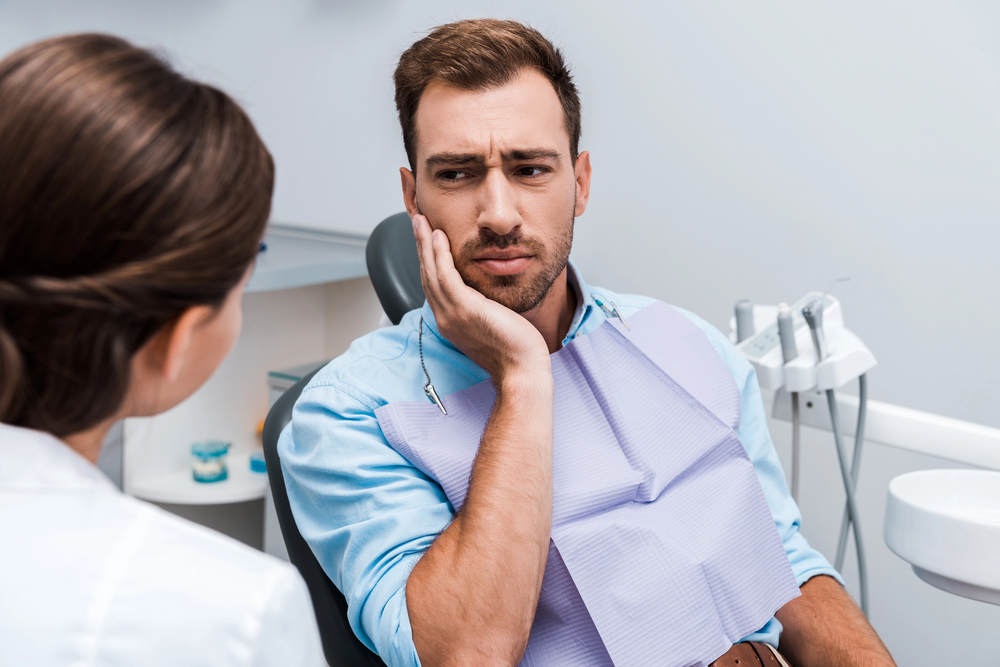
What Causes Sudden Tooth Sensitivity?
Sensitivity happens when the more vulnerable areas inside a tooth become exposed or irritated.
Possible causes include:
- Tooth decay
- A cracked or chipped tooth
- A loose filling
- A damaged dental crown
- Gum recession
- Worn enamel
- Teeth grinding
- An infection inside the tooth
- Recent dental treatment
Mild sensitivity doesn't always require emergency treatment. However, a major change in one particular tooth deserves attention.
Can a Cavity Cause Severe Sensitivity?
Yes.
Small cavities don't necessarily cause pain. As decay moves through the enamel and deeper into the tooth, however, sensitivity can increase.
You may notice discomfort when consuming:
- Cold drinks
- Hot coffee
- Ice cream
- Candy
- Soda
- Other sweet foods
Eventually, a tooth affected by deep decay may begin hurting even when you aren't eating or drinking.
Treating the cavity before it reaches the inner portion of the tooth can potentially prevent more extensive treatment.
Pay Attention to How Long the Pain Lasts
One of the most important things to notice is what happens after you stop eating or drinking.
Imagine drinking a glass of ice water.
If you feel a quick sensation that disappears almost immediately, you may have ordinary tooth sensitivity.
But what if you put the glass down and the tooth continues hurting?
Pain that lingers after exposure to hot or cold temperatures may indicate that the pulp—the nerve-containing tissue inside your tooth—is inflamed or damaged.
If you're experiencing persistent discomfort, our tooth pain treatment page explains some of the common reasons a toothache may require urgent dental care.
What If My Filling or Crown Is Damaged?
Sudden sensitivity can also happen when an existing dental restoration fails.
A filling may loosen or fall out, leaving part of the tooth exposed. A crown can crack, become loose, or come off completely.
The exposed tooth underneath may become extremely sensitive to temperature and pressure.
Vancouver Emergency Dentist provides emergency crown and filling repair for damaged, loose, or missing restorations.
Until you see a dentist, avoid chewing hard or sticky foods on the affected side.
When Does Sensitivity Mean I Might Need a Root Canal?
If decay, trauma, or a crack reaches the pulp inside the tooth, the tissue can become inflamed or infected.
Symptoms can include:
- Severe toothache
- Lingering sensitivity
- Throbbing pain
- Pain while chewing
- Gum swelling
- A pimple-like bump on the gums
- Tooth discoloration
In these situations, an emergency root canal may be necessary.
Root canal treatment removes infected or damaged pulp, disinfects the inside of the tooth, and seals it to help preserve your natural tooth.
When Should You Call an Emergency Dentist?
Mild sensitivity that lasts only a moment isn't necessarily an emergency.
You should have the tooth evaluated promptly if you develop:
- Sudden severe sensitivity
- Lingering hot or cold pain
- Pain that wakes you at night
- Throbbing tooth pain
- Pain while biting
- Swelling
- A broken tooth
- A lost filling or crown
- Signs of infection
You don't need to wait until the pain becomes unbearable.
Get Sudden Tooth Sensitivity Checked in Vancouver
A sensitive tooth may need something as straightforward as a filling or restoration. But sensitivity can also be an early warning sign of a crack, deep decay, or infection.
The only way to know what's happening is to have the tooth examined.
Vancouver Emergency Dentist provides emergency dental treatment at its Vancouver-area offices, including same-day care for urgent dental problems.
If one tooth has suddenly become extremely sensitive or the discomfort continues after eating or drinking, schedule an examination before the problem has an opportunity to get worse.